
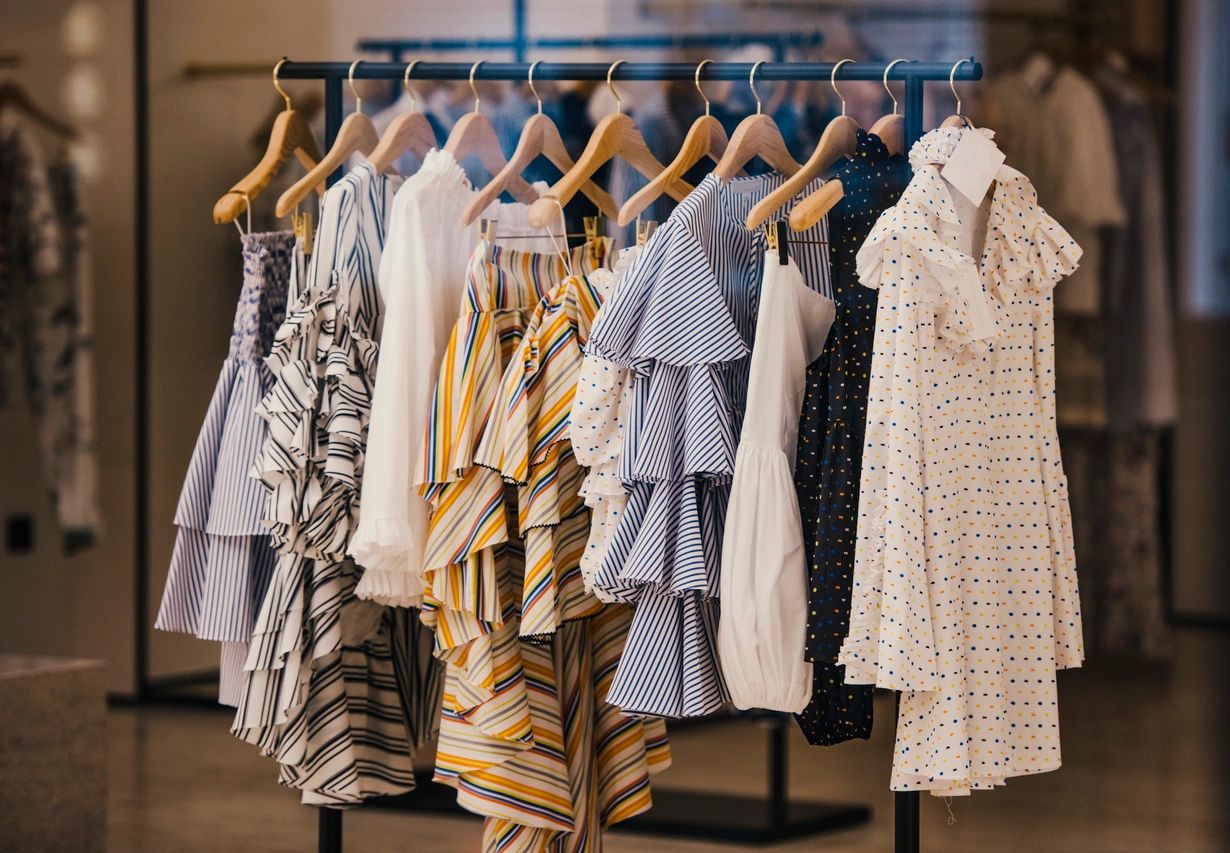
Fast fashion makes trends affordable and accessible, but it also comes with hidden environmental costs that are hard to ignore. From water pollution to textile waste, the impact of cheap, rapidly produced clothing adds up quickly. The good news? Awareness is growing, and so are solutions.
The fast fashion industry relies on rapid production cycles that consume enormous amounts of natural resources. Producing a single cotton T-shirt can use over 2,700 liters of water, and synthetic fabrics shed microplastics every time they’re washed. According to Greenpeace, toxic dyes and chemicals from textile factories often flow directly into rivers, affecting ecosystems and communities downstream. Meanwhile, millions of tons of clothing end up in landfills each year, many of them worn only a handful of times.
Despite these challenges, there’s a reason to feel hopeful. Consumers are becoming more curious about where their clothes come from, and brands are responding. The Ellen MacArthur Foundation promotes a circular fashion model one where clothes are designed to last longer, be reused, repaired, and eventually recycled. This approach reduces waste and keeps materials in use instead of tossing them out.
Movements like Fashion Revolution encourage shoppers to ask a simple but powerful question: Who made my clothes? Supporting ethical brands, thrifting, swapping clothes with friends, or buying fewer but higher-quality items can all make a meaningful difference.
Sustainability doesn’t require perfection, just progress. Every mindful purchase is a vote for cleaner water, less waste, and fairer working conditions. By slowing down our fashion habits, we help create a future where style and sustainability go hand in hand.
References / Further Reading
- Greenpeace – Reports on textile pollution and chemical use in fashion
- Ellen MacArthur Foundation – A New Textiles Economy
- Fashion Revolution – Global campaigns on ethical and transparent fashion
Small choices really do add up. 💚
