Eco-Friendly Healthy Foods: Eating Well While Caring for the Planet
In today’s world, the choices we make about food go beyond taste and nutrition—they also impact the environment. Eco-friendly healthy foods offer a way to nourish your body while reducing harm to the planet. By making thoughtful decisions about what you eat, you can support both your personal health and a more sustainable future.
What Are Eco-Friendly Healthy Foods?
Eco-friendly healthy foods are those that are grown, produced, and distributed in ways that minimize environmental damage while still providing essential nutrients. These foods often involve reduced chemical use, lower carbon emissions, and sustainable farming practices. At the same time, they are rich in vitamins, minerals, and other nutrients your body needs.
Why It Matters
Food production contributes significantly to environmental challenges, including climate change, water pollution, and deforestation. Choosing eco-friendly options helps reduce your environmental footprint and supports farming methods that protect natural resources. Additionally, these foods are often fresher and less processed, making them better for your overall health.
Key Types of Eco-Friendly Healthy Foods
- Plant-Based Foods
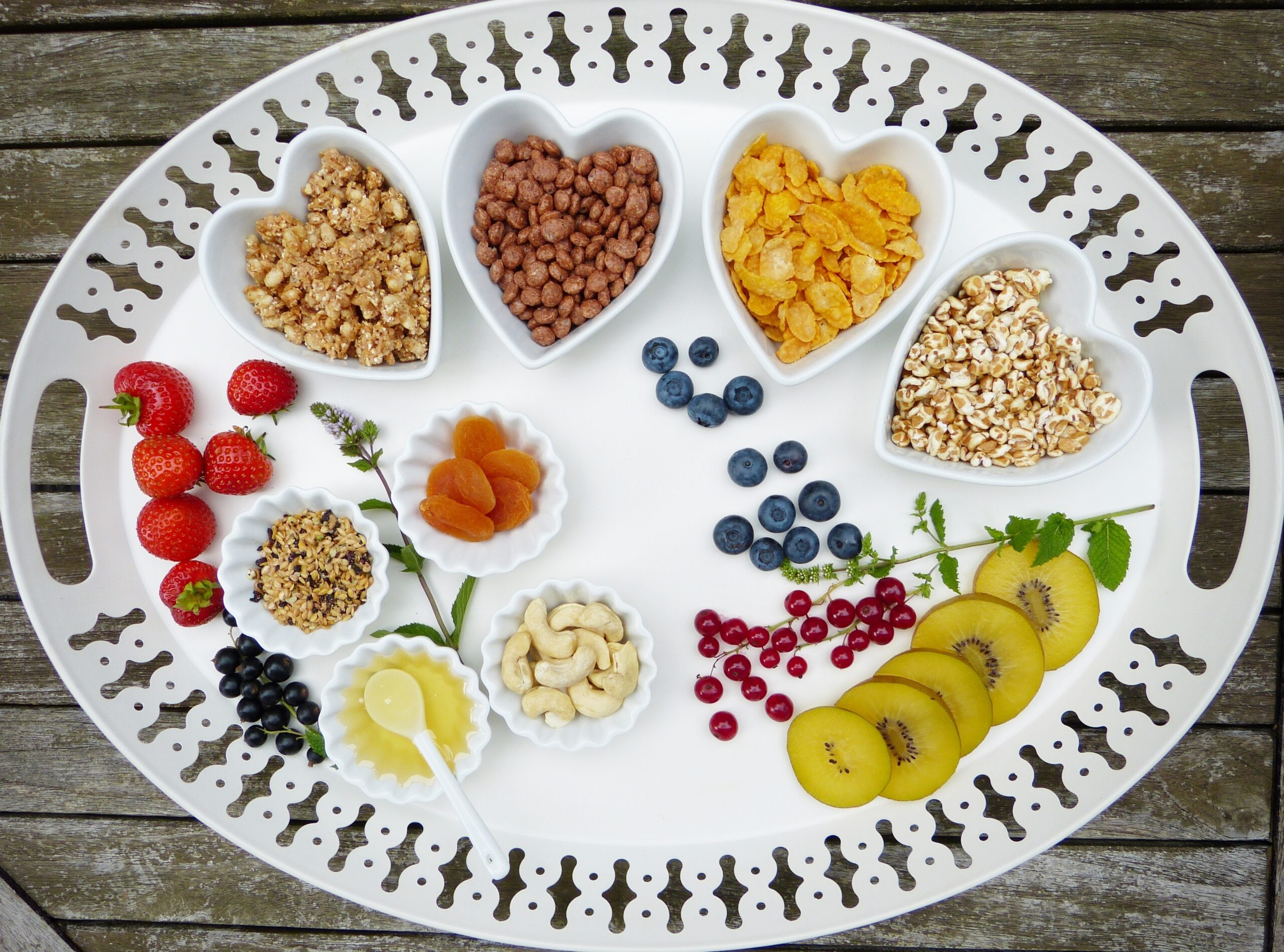
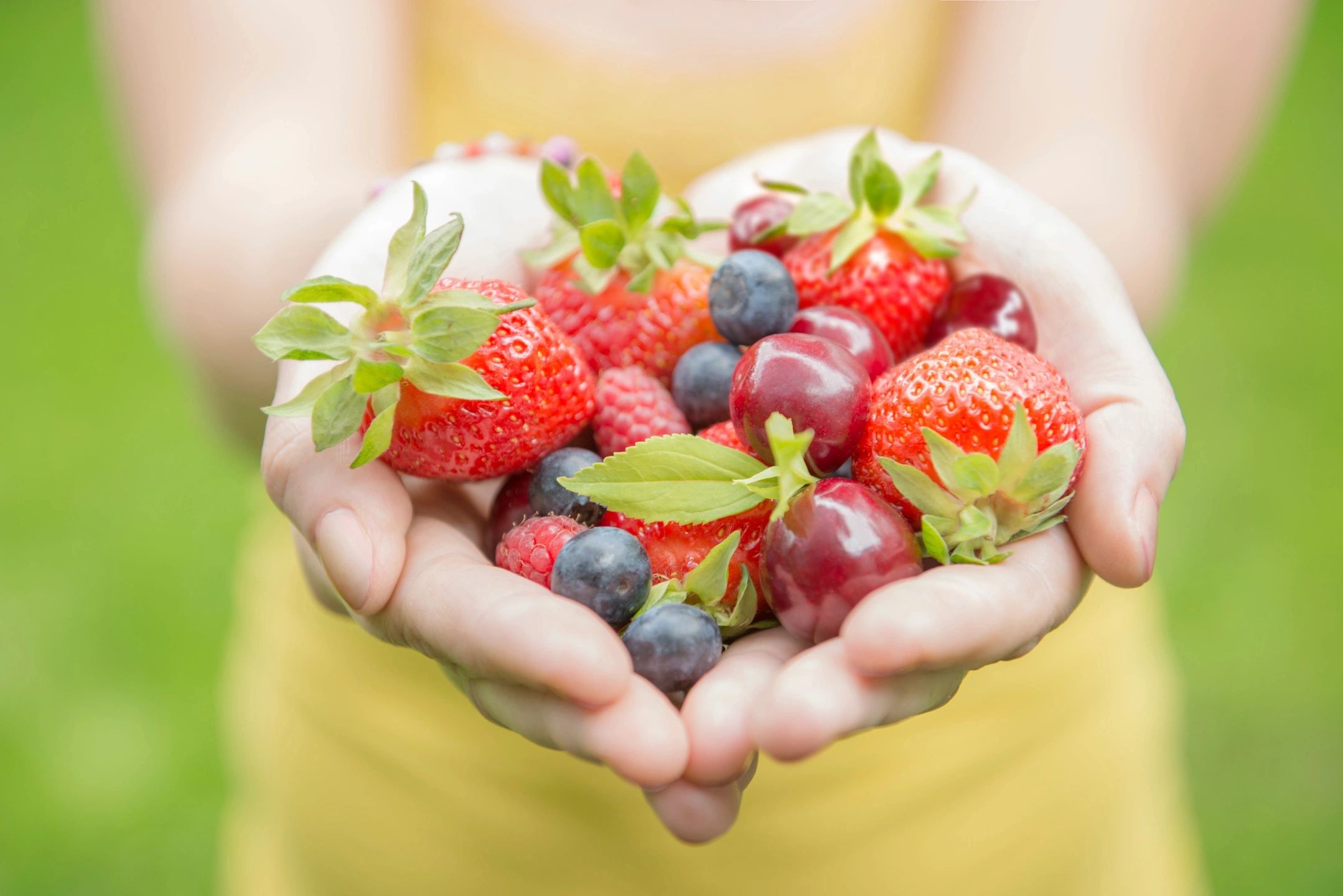
Fruits, vegetables, legumes, nuts, and whole grains are some of the most eco-friendly choices available. They generally require fewer resources, such as water and land, than animal-based products and are rich in nutrients that support long-term health. - Locally Grown Produce
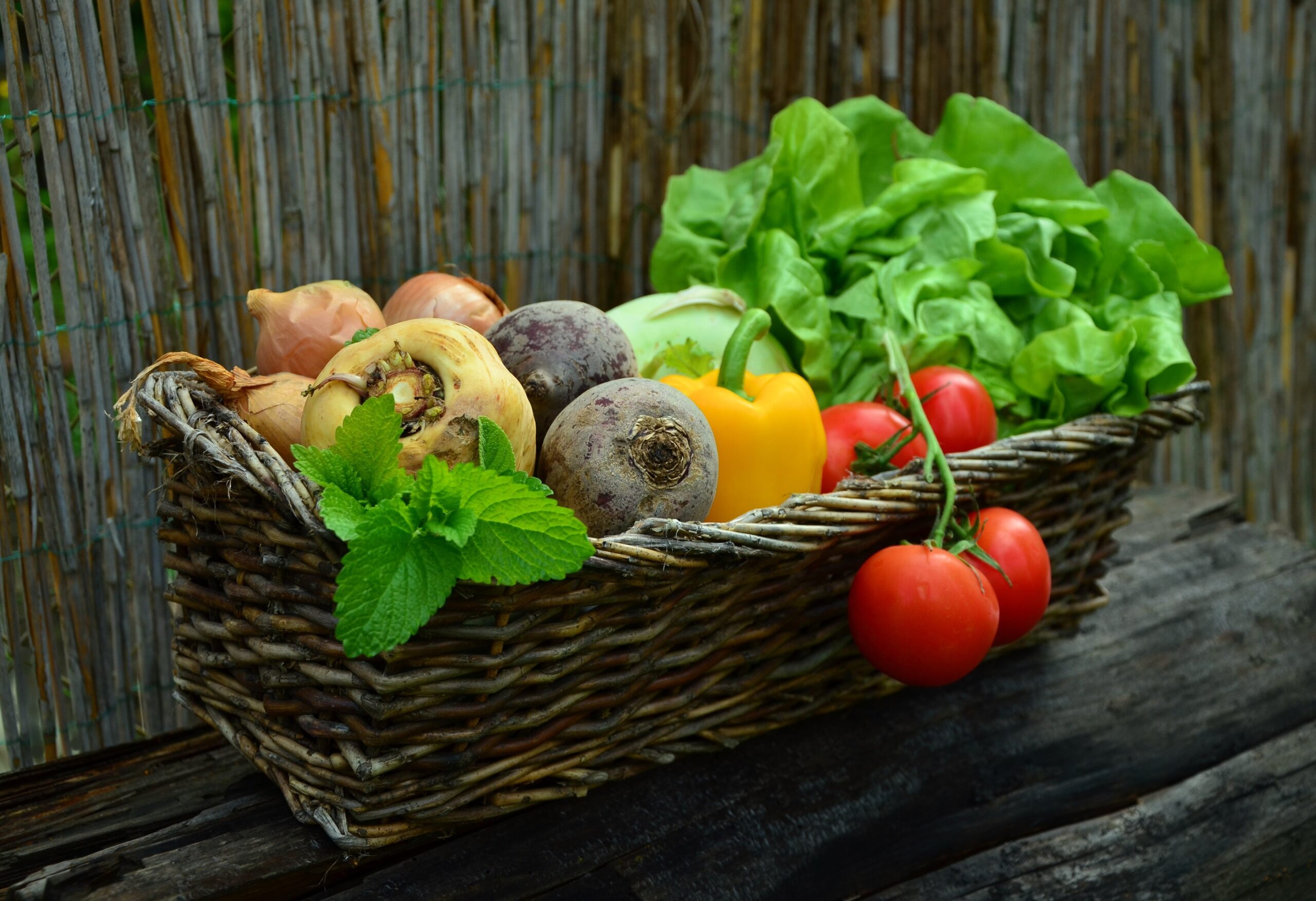
Buying food grown close to home reduces transportation emissions and supports local farmers. Local produce is often fresher, more flavorful, and retains more nutrients. - Organic Foods
Organic farming avoids synthetic pesticides and fertilizers, making it safer for the environment and for consumers. It also promotes healthier soil and biodiversity. - Sustainable Protein Sources
If you consume animal products, opt for responsibly sourced options such as sustainably caught fish, free-range poultry, or plant-based protein alternatives like beans and lentils. - Minimally Processed Foods
Whole foods that are minimally processed require less energy to produce and typically contain fewer additives. This makes them both eco-friendly and better for your health.
Simple Ways to Eat More Eco-Friendly
- Choose seasonal foods: Seasonal produce requires less energy to grow and transport.
- Reduce food waste: Plan meals, store food properly, and reuse leftovers.
- Use reusable bags and containers: Cut down on plastic waste when shopping and storing food.
- Eat less meat: Even small reductions in meat consumption can significantly lower your environmental impact.
- Support ethical brands: Look for companies that prioritize sustainability and transparency.
The Bigger Impact
Every small change adds up. When more people choose eco-friendly healthy foods, it encourages the food industry to adopt better practices. This collective shift can help reduce environmental damage and promote a healthier global food system.
Final Thoughts
Eating eco-friendly healthy foods is not about being perfect—it’s about making better choices when you can. By focusing on whole, responsibly sourced foods, you’re not only improving your own health but also helping protect the planet for future generations.
Next time you shop or prepare a meal, think about where your food comes from and how it was produced. Those small decisions can make a big difference—for you and for the Earth.