

When it comes to the state of Florida, many people imagine the beautiful beaches, crowded theme parks, and other attractive tourist destinations. However, there is also another world out there that goes beyond these famous attractions and gorgeous coastal waters: ecotourism. According to the International Ecotourism Society, ecotourism is described as a form of travel that promotes environmental preservation and supports the well-being of local communities [1]. In Pinellas County, we experience ecotourism through various trips to local beaches, parks, and other natural spaces. From these meaningful outdoor adventures, we learn the concept of sustainability and enhance our awareness on our current environmental and social climates [2]. Throughout my time in Seminole Lake Park, I began to realize that this place is not only perfect for recreational purposes but also offers visitors the opportunity to truly appreciate the beauty of nature and preserve the quality of our ecosystem.
The Relevance of Environmental Conservation in Nature Trails
The first thing that you will notice upon your arrival to the park is the different types of unique nature trails that are surrounded by mesmerizing woodlands, lakes, and signs. These recreational trails are designed for visitors to perform various kinds of activities such as hiking, biking, jogging, running, rollerblading, and sightseeing [3]. Moreover, there are two common paths that tourists often select for their visits: 1-mile and 2-mile trails. The 1-mile trail is fitting for visitors who do not prefer the traditional 2-mile trail, have low endurance, familiarize themselves with the park, and wish to absorb the peace of the scenery. As for others (including me), we prefer the classic 2-mile trail the most because we can challenge ourselves to increase our respective endurance levels by being physically active during longer distances or periods of time while simultaneously admiring the view of the habitat. Additionally, there is another detail that many people haven’t been aware of before until now: Lake Seminole Park has recently decided to incorporate the new extension in its site and expand the route by three miles [4]! This gives tourists the space to explore the park and perform their physical activities more freely with fewer restrictions [5]. With all three routes, visitors will have the choice to select the one that will be suitable for their endurance levels and the purpose of their park visits. During my experiences with these trails, I observed how these paths are intended to preserve the state of the natural habitats and protect wildlife from encountering the environmental threats of their sanctuaries. In order to practice ecotourism effectively, visitors are advised to stay on designated routes or marked paths at all times, remain to the right side of the path, give verbal warnings to inform others of your approach, pass left if it’s safe to do so, and never litter any items on the trails. By practicing these habits, we will be able to make Lake Seminole Park a sustainable and accessible place for visitors to explore the habitat and develop memorable experiences from their visit.
Encountering the Home of Biodiversity
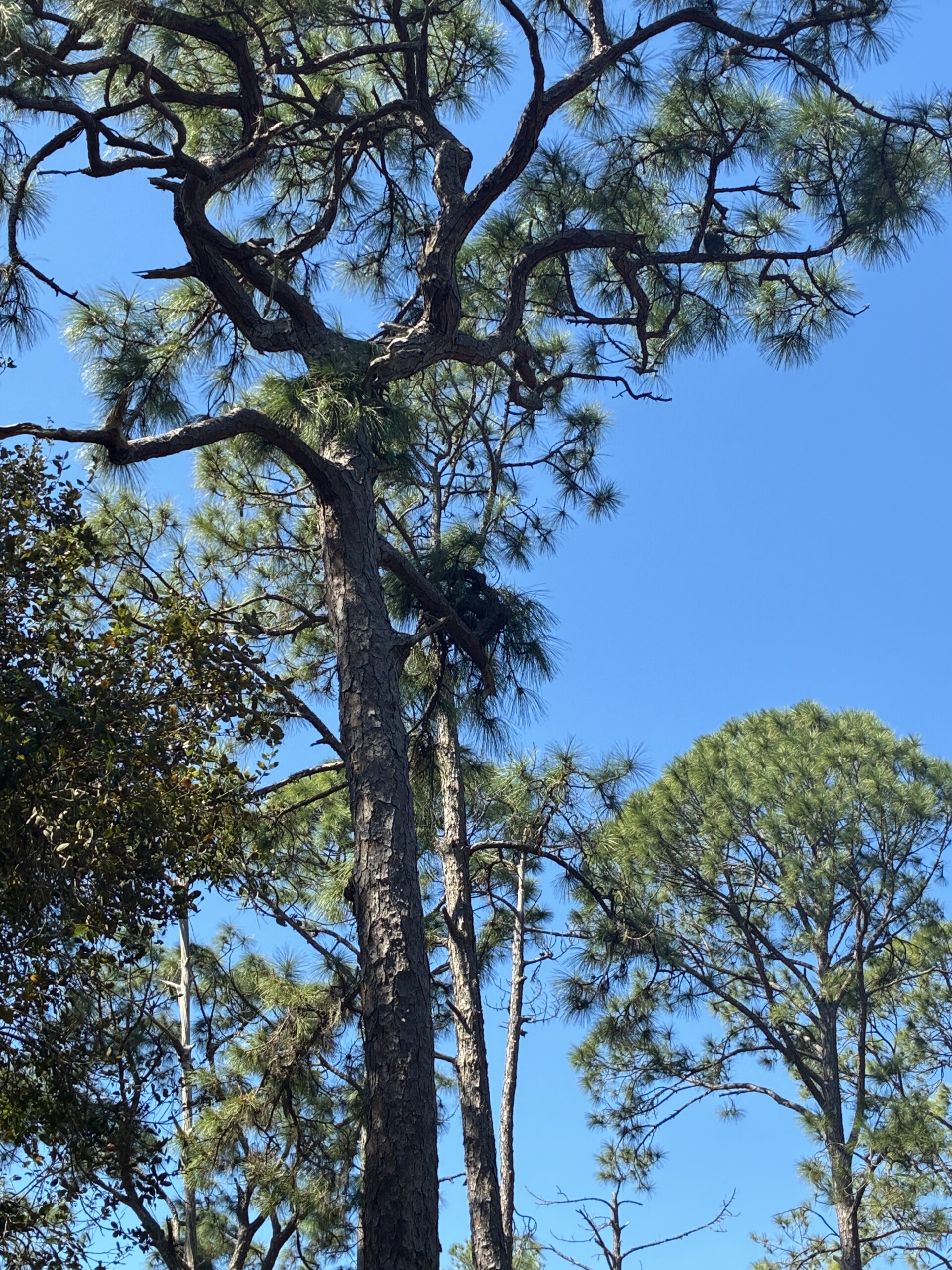
In addition to the multipurpose trails, Seminole Lake Park is also considered a sanctuary for its diverse biodiversity. There are several species that currently live in this place, including natural habitats composed of “raccoons, alligators, hawks, eagles, turtles” and other various species [6]. On top of that, there is also a multitude of birds that only appear seasonally in the park. To illustrate these examples, Birding Pinellas listed versatile birds for each of the four seasons: Wilson’s Snipe in the wintertime, Swallow-tailed Kite in summer, cerulean warblers in the fall, hooded warblers in the spring, and so forth [7]. Talking about birds though, I personally witnessed a family of 3 great-horned owls during my usual hike on the trails three weeks ago, perching on the top branches of the trees. At first, I couldn’t see them from a distance but as I gradually approached them, I finally saw them. Even though they looked intimidating in front of me, I took a couple pictures of them while taking care not to disturb them or their natural habitats. Overall, visitors are warned not to disturb or feed the wildlife and respect the conditions of the natural habitats or sanctuary altogether. That way, biodiversity will be able to exist across numerous places for future generations.
 Best Sustainable Practices for Ecotourists
All in all, here are the countless policies that Lake Seminole Park and other eco-friendly settings have implemented for visitors. To start off, tourists will park their vehicles in the designated spaces and discard waste or trash responsibly into the disposal containers or outside of the vicinities [8]. Adding to these two rules, park visitors will also maintain the appropriate distance from wildlife and not come too close to them. It is also noted that visitors should also study the areas that either permit or prohibit pets and always leash their dogs. Furthermore, guests should also know the opening and closing times of the parks as well as ask the ranger or any expert in the parks questions or concerns about the policies or issues that arise from their visits. I also want to emphasize that visitors should remain in their designated routes and avoid venturing social trails or vegetation areas. Lastly, keep the area clean, pick up any trash, and not litter anywhere in the park [9].
Conclusion
Seminole Lake Park has become one of the popular places to promote ecotourism for residents in Pinellas County, Florida. In this blog, we explored the types of multipurpose trails that the park offers to our visitors and the various ways for visitors to practice public safety or conservation on the pathways. We are reminded that we can appreciate viewing the unique biodiversity in the park while not disrupting them or causing them unnecessary stress during our interactions with them. Finally, we are encouraged to follow the recommendations of the park staff and learn from their environmental expertise to reduce our impact on the fragile ecosystem. With these three points, we can develop an appreciation for sustainability and create unique experiences or memories on our upcoming visits!
References
- What is Ecotourism (n.d)? The International Ecotourism Society. https://ecotourism.org/what-is-ecotourism/.
- What is Ecotourism (n.d)? Florida Society for Ethical Ecotourism. https://www.floridasee.org/what-is-ecotourism.
- Lake Seminole Park (n.d). Visit St.Pete-Clearwater, Florida. https://www.visitstpeteclearwater.com/profile/lake-seminole-park/139573.
- Lake Seminole Park (n.d). Pinellas County. https://pinellas.gov/parks/lake-seminole-park/.
- Pinellas County. “Lake Seminole Park”, YouTube video. 0:05-0:26, July 9, 2025, https://www.youtube.com/watch?v=_FiNIiFwIfk&t=10s.
- Pinellas County. “Lake Seminole Park”.
- Lake Seminole Park (n.d). Birding Pinellas. https://sites.google.com/view/birdingpinellas/home/lake-seminole-park.
- Park Rules (n.d). Pinellas County. https://pinellas.gov/park-rules/.
- What You Can Do: In Parks. National Park Service.
