
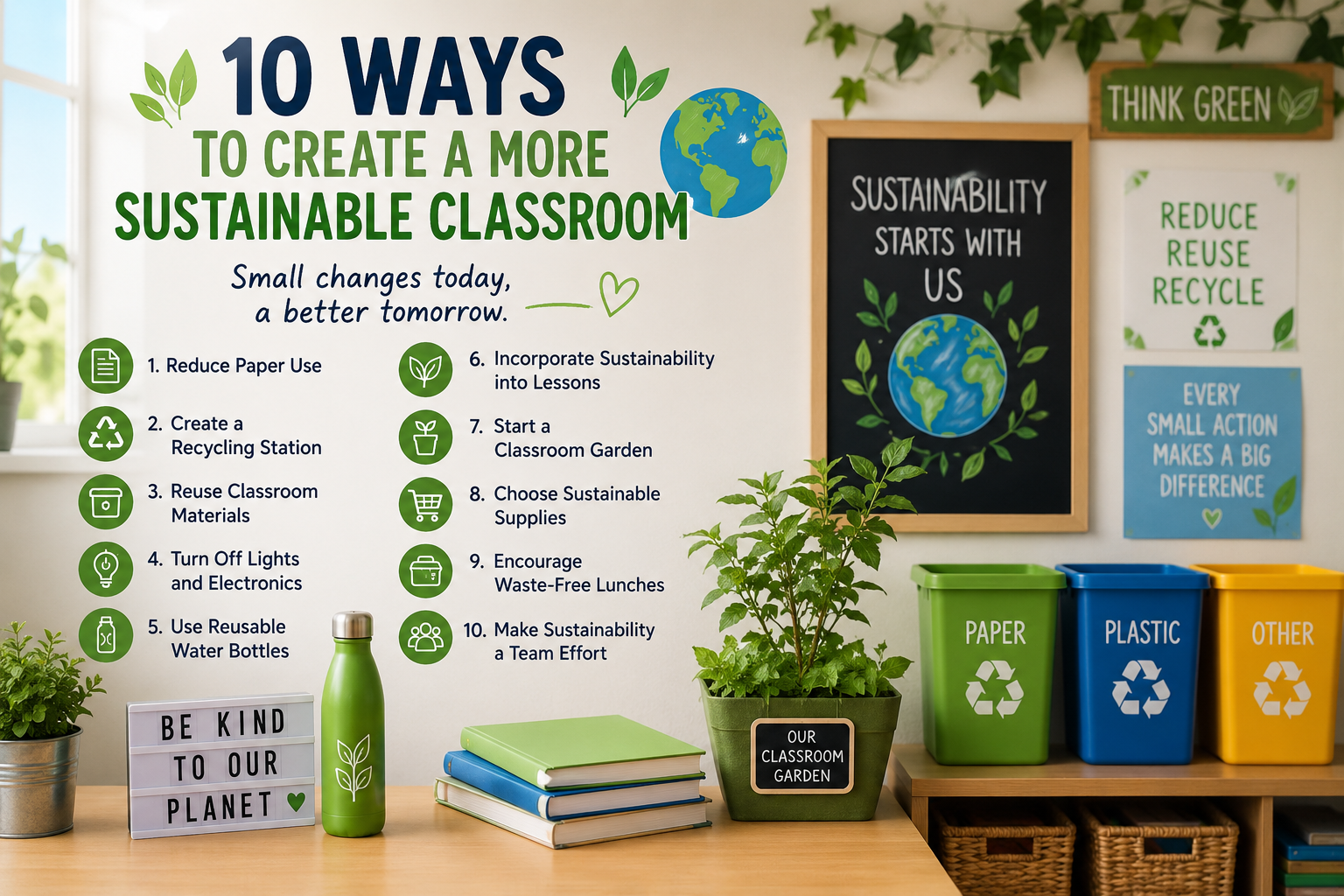
Small Changes, Big Impact
As educators, we have a unique opportunity to teach students not only academic skills but also habits that can positively impact the world around them. Sustainability in the classroom doesn’t require a complete makeover or a large budget. Instead, it starts with small, intentional choices that help reduce waste, conserve resources, and encourage environmental responsibility.
Goal
The goal of creating a sustainable classroom is to reduce environmental impact while teaching students practical ways they can care for the planet both in school and at home. By modeling sustainable behaviors, educators can inspire students to become thoughtful stewards of their environment.
1. Reduce Paper Use
Whenever possible, use digital resources, online assignments, and electronic communication. If printing is necessary, print double-sided and encourage students to use both sides of their paper.
 2. Create a Classroom Recycling Station
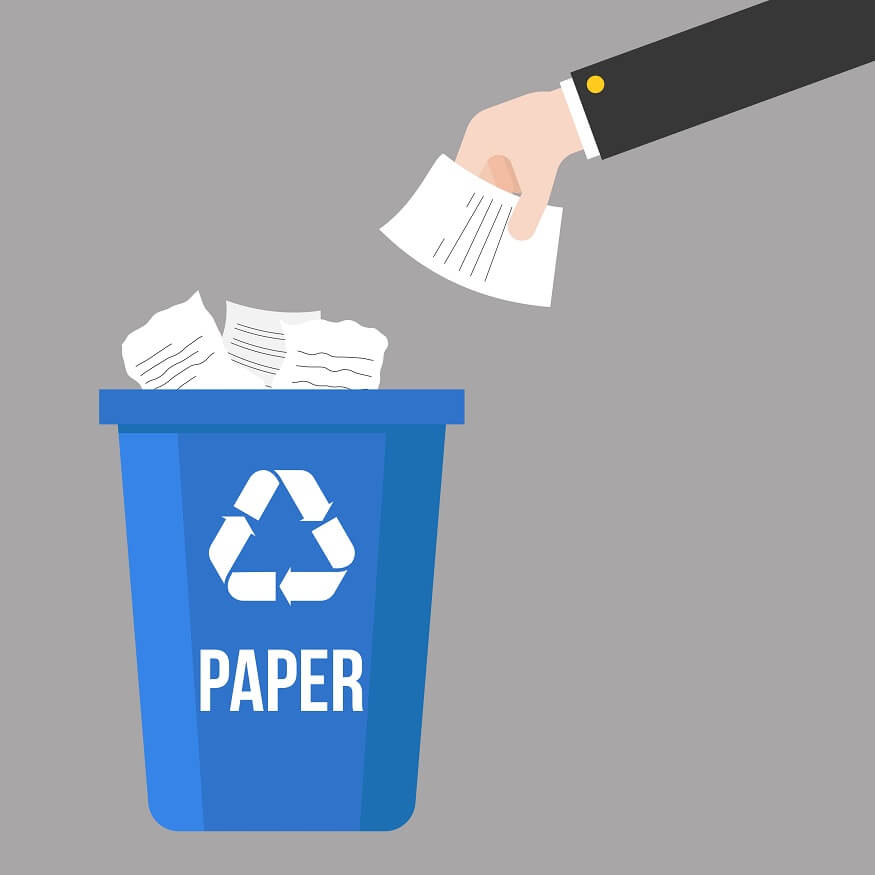
Make recycling easy and accessible by clearly labeling bins for paper, plastic, and other recyclable materials. Teach students what can and cannot be recycled to build responsible habits.
3. Reuse Classroom Materials
Before purchasing new supplies, look for ways to reuse materials already available. Folders, binders, containers, and craft supplies often have a second life in the classroom.
4. Turn Off Lights and Electronics
Encourage students to take responsibility for conserving energy by turning off lights, computers, and projectors when they are not in use.
5. Use Reusable Water Bottles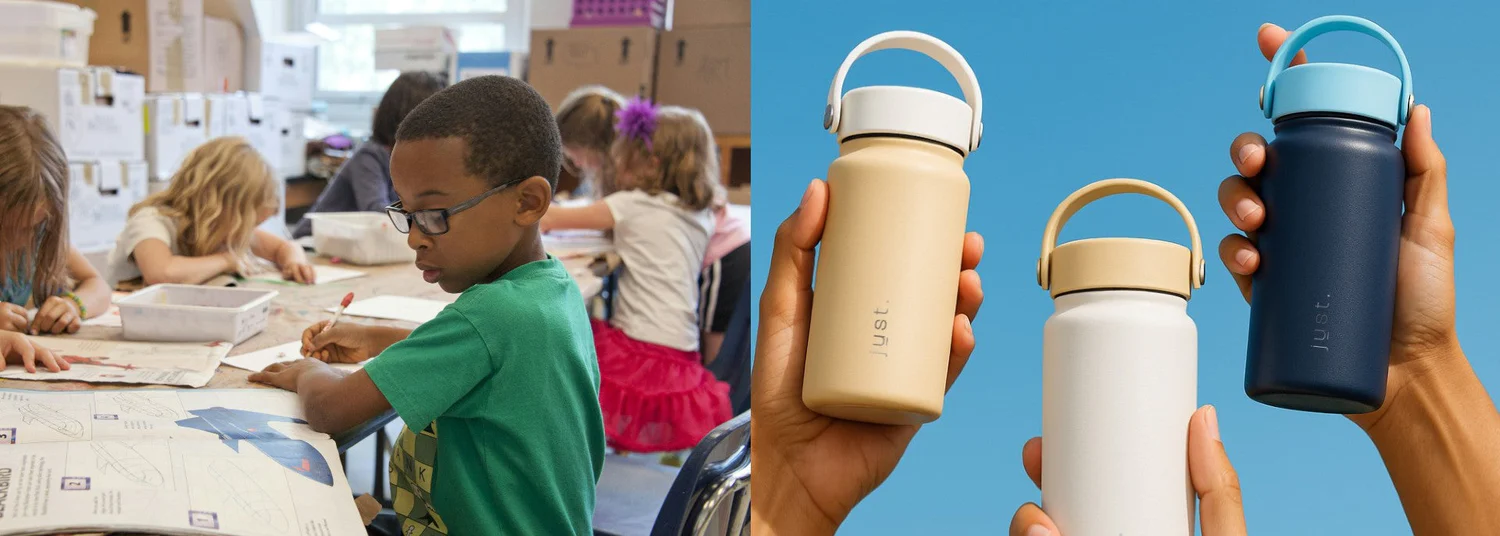
Promote the use of reusable water bottles instead of single-use plastic bottles. This simple change can significantly reduce classroom waste throughout the school year.
6. Incorporate Sustainability into Lessons
Connect environmental topics to science, reading, math, and social studies lessons. Students are more likely to practice sustainable behaviors when they understand why they matter.
7. Start a Classroom Garden
Even a small indoor plant station or container garden can teach students about ecosystems, responsibility, and where food comes from.
8. Choose Sustainable Supplies
When purchasing classroom materials, look for recycled paper products, refillable markers, and other environmentally friendly options whenever possible.
9. Encourage Waste-Free Lunches
Work with families to reduce disposable packaging by using reusable containers, utensils, and lunch bags.
10. Make Sustainability a Team Effort
Assign classroom jobs such as recycling monitor, energy saver, or plant caretaker. Giving students ownership helps them feel invested in making a difference.
Final Thoughts
Creating a sustainable classroom doesn’t have to happen all at once. Every small step contributes to a healthier environment and helps students develop lifelong habits that support sustainability. As educators, we can lead by example and show students that their daily choices matter.
Together, we can create classrooms that not only support learning but also help build a more sustainable future for the next generation.
References
U.S. Environmental Protection Agency (EPA) – Sustainable Materials Management for Schools
National Wildlife Federation – Eco-Schools USA
Green Schools National Network
